

Introduction: The Pulse of Modern Medicine
In the world of medical technology, precision isn't just a requirement—it's a matter of life and death. Whether it’s a robotic arm performing surgery, a DNA sequencer processing thousands of samples, or an MRI bed positioning a patient, the underlying motion must be smooth, silent, and flawlessly accurate.
As lab automation and robotic surgery evolve, Precision Ball Screws and Miniature Linear Guides have become the "silent engines" driving medical innovation.
1. Key Requirements for Medical Motion
Designing for a hospital or lab is vastly different from designing for a factory floor. TOCO engineers focus on three primary pillars for the medical sector:
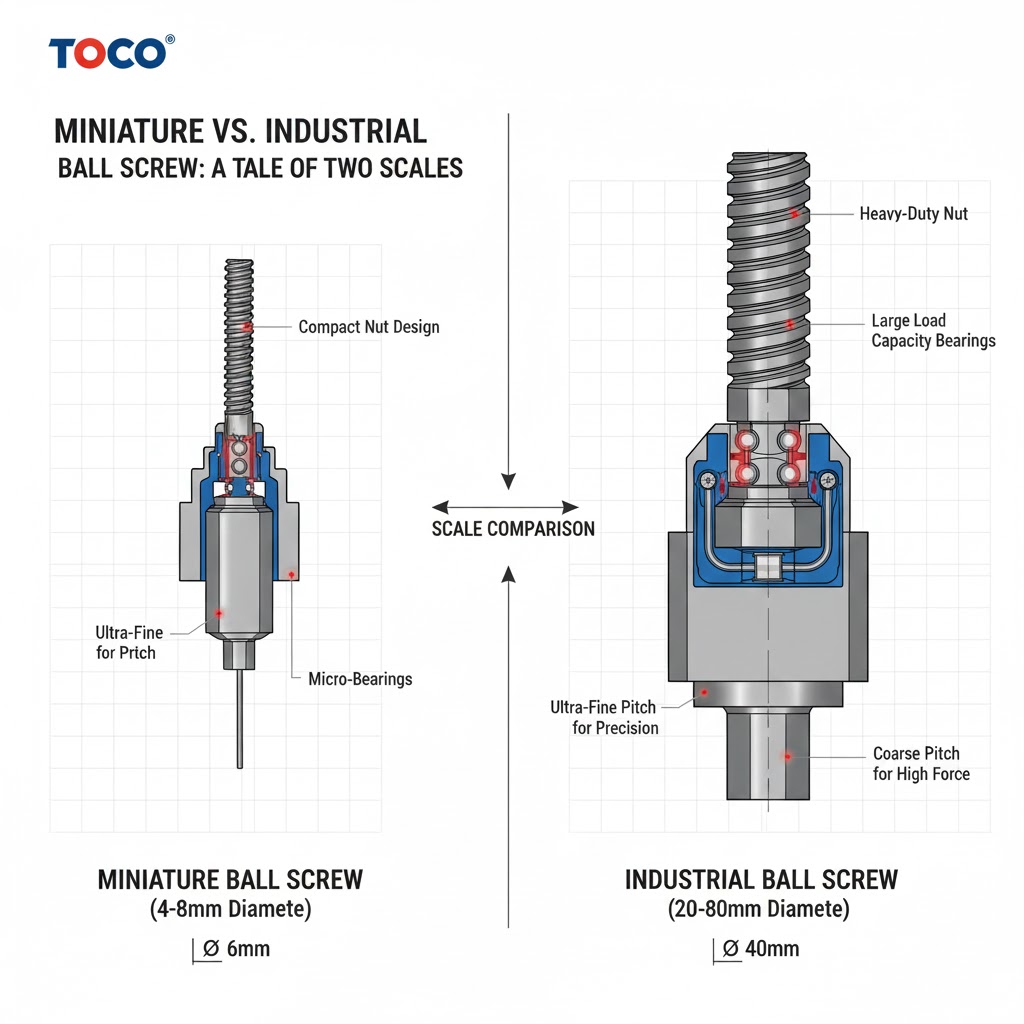
Miniaturization: Space is a premium inside diagnostic machines. We offer ball screws with diameters as small as 4mm to 8mm to fit into compact handheld devices.
Bio-Compatibility & Cleanliness: Standard industrial grease can outgas or leak. Medical-grade systems require specialized lubricants that are non-toxic and compatible with sterile environments.
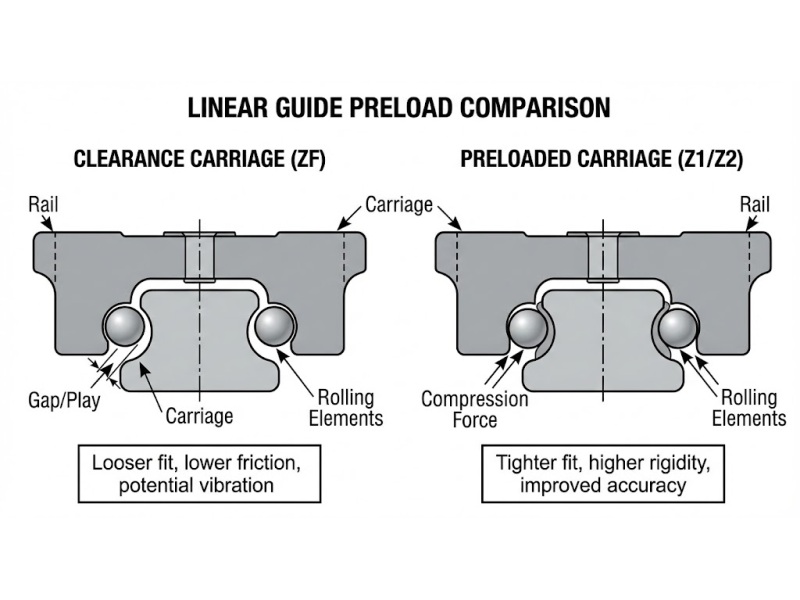
Low Noise & Low Vibration: For patient-facing equipment (like imaging sliders), vibration can blur results, and loud mechanical noise can cause patient anxiety.
2. Top Applications for TOCO Precision Components
A. Robotic Surgery Systems
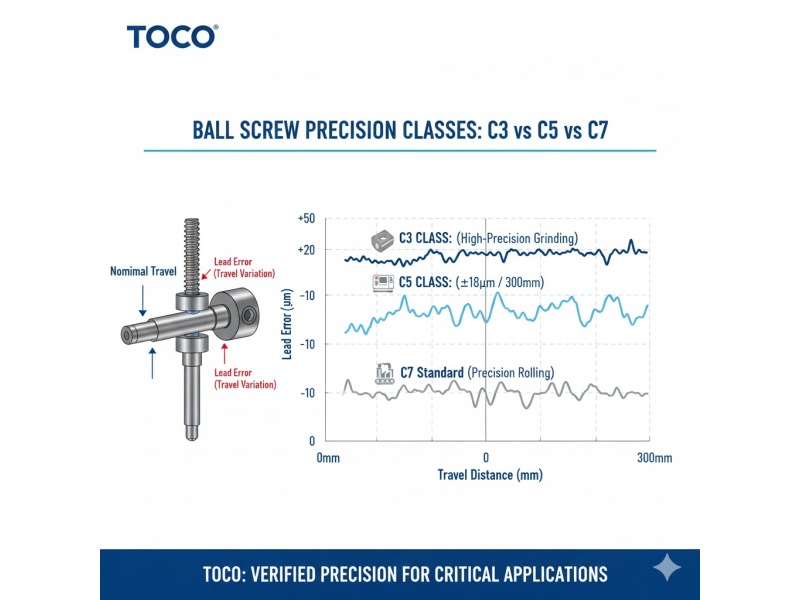
Surgical robots require ultra-high repeatability and zero backlash. TOCO’s ground ball screws ensure that the surgeon’s movements are translated into microscopic, steady actions within the patient’s body.
B. In-Vitro Diagnostics (IVD)
Automated liquid handling systems use miniature linear guides to move pipettes with sub-micron accuracy. This ensures that tiny fluid samples are dispensed into the exact center of a well plate, every single time.
C. Medical Imaging (MRI & CT Scans)
Large-scale linear guides are used to move patient tables into imaging bores. These must handle heavy loads while providing a "float-like" motion that doesn't disturb the sensitive magnetic or X-ray sensors.
3. Material Matters: Stainless Steel vs. Special Coatings
In labs where equipment is frequently disinfected with harsh chemicals (like Isopropyl Alcohol), standard steel will quickly fail.
Stainless Steel Series: TOCO provides linear guides and ball screws made from 440C Stainless Steel, offering inherent corrosion resistance without the need for additional coatings.
Low-Dust Solutions: For cleanroom-rated lab equipment, we utilize specialized wipers and seals that prevent the shedding of microscopic particles that could contaminate biological samples.
4. Why Medical OEMs Partner with TOCO
Building a medical device is a long journey involving complex certifications (like ISO 13485). TOCO supports this journey by providing:
Consistent Traceability: Full material records for every batch.
Custom End-Machining: Screws tailored to fit unique, compact motors.
Prototyping Speed: Rapid delivery of custom samples to help you clear the R&D phase faster.


 English
 German
 French
 Russian
 Spanish
 Japanese
 Korean
 Khmer
 Portuguese
 Ukrainian
 Arabic
 Italian
 Afrikaans
 Albanian
 Armenian
 Azerbaijani
 Basque
 Belarusian
 Bulgarian
 Catalan
 Croatian
 Czech
 Danish
 Dutch
 Estonian
 Filipino
 Finnish
 Galician
 Georgian
 Greek
 Haitian Creole
 Hebrew
 Hindi
 Hungarian
 Icelandic
 Indonesian
 Irish
 Latvian
 Lithuanian
 Macedonian
 Malay
 Maltese
 Norwegian
 Persian
 Polish
 Romanian
 Serbian
 Slovak
 Slovenian
 Swahili
 Swedish
 Thai
 Turkish
 Urdu
 Vietnamese
 Welsh
 Yiddish

